
What’s your water like?
Water quality can no longer be taken for granted.
Here in Vincennes, a variety of factors can affect how your water tastes, smells, feels and works in and around your home. Well water quality, possible contamination, an aging distribution system, violations of federal drinking water standards and a home’s plumbing can all affect your supply. Some problems aren’t obvious — that’s why we test your water to determine if treatment is necessary and which option is right for you.
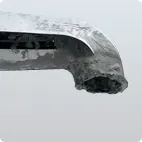
Hard Water
Hard water contains dissolved calcium, magnesium and in many cases, iron. Most homes have hard water, whether it’s supplied by a private well or a municipality — and many homeowners don’t realize the constant and expensive harm it causes.
Dry skin and hair, bathtub ring, spots on glass and fixtures, dull clothing, and a shortened life for water-using appliances are all frequently caused by hard water.
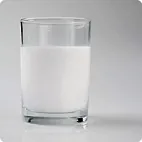
Cloudy Water
Cloudy, murky or grayish water is usually caused by dissolved or suspended solids, known as “turbidity.” Water can become turbid naturally or from land disturbances such as construction, storms and urban runoff.
Even if your water looks clear, it could still contain a high level of dissolved solids — which is why we recommend having it tested either way.

Chlorine Taste and Smell
Since the 1850s, chlorine has been used to kill harmful bacteria in water and the pipes that transport it. It’s essential at the treatment plant, but no longer necessary once water reaches your home.
Chlorine tastes and smells bad, dries skin and hair, fades clothes and can dry out the rubber seals in appliances, shortening their lives.

Tastes and Odors
In its pristine state, water is colorless, tasteless and odorless. If yours tastes or smells funny, you owe it to yourself to find out why.
- Earthy or musty: usually compounds from decayed vegetation and algae. Not toxic, but unpleasant even at very low concentrations.
- “Rotten egg” smell: hydrogen sulfide, a corrosive gas that can linger on hair and clothing and accelerate corrosion in appliances.
- Metallic taste: metals such as iron, copper, manganese or zinc — from groundwater, an aging distribution system or corroding plumbing.
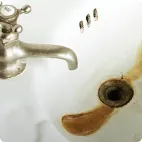
Iron and Manganese Staining
Water is a natural solvent and, given time, will dissolve anything it contacts. Depending on where you live, your water can contain iron or manganese, causing rusty-orange or black stains on clothes, fixtures, sinks, tubs, appliances and toilets.
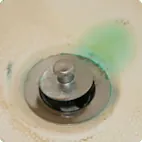
Blue-Green Staining
Water with a low pH leaves tell-tale blue-green stains, most noticeable on white surfaces like sinks, tubs, showers, toilets and even white clothing.

Bacteria and Viruses
According to the CDC, there could be as many as 12 million cases of waterborne acute gastrointestinal illness annually in the United States. These are frequently caused by bacteria, viruses and protozoa in the water supply — and even state-of-the-art treatment plants can’t guarantee drinking water is entirely free of microbial pathogens.
Not sure what’s in your water?
Our free water analysis takes the guesswork out.